
Leaf Cutouts Printable
Leaf Cutouts Printable - The leaf is an integral part of the stem system, and most leaves are flattened and have distinct upper (adaxial) and lower (abaxial) surfaces that differ in color, hairiness, the number of stomata (pores. Broadly all leaves are classified into two main types, based on the arrangement of the leaf lamina (the broad, thin, flattened surface of the leaf), which is the site of photosynthesis and. People are our power when you call, we pick up the phone, and we can address you by name. The blade that catches sunlight, the veins that carry water, and the petiole that holds it to the stem. Learning leaves names is helpful for understanding trees, herbs, and edible plants. Knowing them improves your ability to describe plants. The answer is in its parts: 1) petiole, 2) leaf base, and 3) leaf blade or lamina, each performing specific functions. You pick up a leaf and wonder how it feeds the whole plant. The meaning of leaf is a lateral outgrowth from a plant stem that is typically a flattened expanded variably shaped greenish organ, constitutes a unit of the foliage, and functions primarily in. Each leaf has its own shape, texture, and purpose. People are our power when you call, we pick up the phone, and we can address you by name. Broadly all leaves are classified into two main types, based on the arrangement of the leaf lamina (the broad, thin, flattened surface of the leaf), which is the site of photosynthesis and.. The leaf is an integral part of the stem system, and most leaves are flattened and have distinct upper (adaxial) and lower (abaxial) surfaces that differ in color, hairiness, the number of stomata (pores. As the primary sites of photosynthesis, leaves manufacture food for plants, which in turn ultimately. The meaning of leaf is a lateral outgrowth from a plant. Learning leaves names is helpful for understanding trees, herbs, and edible plants. As the primary sites of photosynthesis, leaves manufacture food for plants, which in turn ultimately. The answer is in its parts: The leaf is an integral part of the stem system, and most leaves are flattened and have distinct upper (adaxial) and lower (abaxial) surfaces that differ in. The meaning of leaf is a lateral outgrowth from a plant stem that is typically a flattened expanded variably shaped greenish organ, constitutes a unit of the foliage, and functions primarily in. What are the different parts of a leaf a typical leaf shows three main parts: Each leaf has its own shape, texture, and purpose. As the primary sites. 1) petiole, 2) leaf base, and 3) leaf blade or lamina, each performing specific functions. Broadly all leaves are classified into two main types, based on the arrangement of the leaf lamina (the broad, thin, flattened surface of the leaf), which is the site of photosynthesis and. Leaf, in botany, any usually flattened green outgrowth from the stem of a. The answer is in its parts: The leaf is an integral part of the stem system, and most leaves are flattened and have distinct upper (adaxial) and lower (abaxial) surfaces that differ in color, hairiness, the number of stomata (pores. What are the different parts of a leaf a typical leaf shows three main parts: The blade that catches sunlight,. 1) petiole, 2) leaf base, and 3) leaf blade or lamina, each performing specific functions. The blade that catches sunlight, the veins that carry water, and the petiole that holds it to the stem. As the primary sites of photosynthesis, leaves manufacture food for plants, which in turn ultimately. The meaning of leaf is a lateral outgrowth from a plant. You pick up a leaf and wonder how it feeds the whole plant. The meaning of leaf is a lateral outgrowth from a plant stem that is typically a flattened expanded variably shaped greenish organ, constitutes a unit of the foliage, and functions primarily in. What are the different parts of a leaf a typical leaf shows three main parts:. Leaf, in botany, any usually flattened green outgrowth from the stem of a vascular plant. Each leaf has its own shape, texture, and purpose. You pick up a leaf and wonder how it feeds the whole plant. People are our power when you call, we pick up the phone, and we can address you by name. Learning leaves names is. The leaf is an integral part of the stem system, and most leaves are flattened and have distinct upper (adaxial) and lower (abaxial) surfaces that differ in color, hairiness, the number of stomata (pores. As the primary sites of photosynthesis, leaves manufacture food for plants, which in turn ultimately. The blade that catches sunlight, the veins that carry water, and. The leaf is an integral part of the stem system, and most leaves are flattened and have distinct upper (adaxial) and lower (abaxial) surfaces that differ in color, hairiness, the number of stomata (pores. People are our power when you call, we pick up the phone, and we can address you by name. Knowing them improves your ability to describe. The leaf is an integral part of the stem system, and most leaves are flattened and have distinct upper (adaxial) and lower (abaxial) surfaces that differ in color, hairiness, the number of stomata (pores. Each leaf has its own shape, texture, and purpose. As the primary sites of photosynthesis, leaves manufacture food for plants, which in turn ultimately. What are. Leaf, in botany, any usually flattened green outgrowth from the stem of a vascular plant. The answer is in its parts: The meaning of leaf is a lateral outgrowth from a plant stem that is typically a flattened expanded variably shaped greenish organ, constitutes a unit of the foliage, and functions primarily in. You pick up a leaf and wonder. Each leaf has its own shape, texture, and purpose. 1) petiole, 2) leaf base, and 3) leaf blade or lamina, each performing specific functions. Broadly all leaves are classified into two main types, based on the arrangement of the leaf lamina (the broad, thin, flattened surface of the leaf), which is the site of photosynthesis and. What are the different. Knowing them improves your ability to describe plants. You pick up a leaf and wonder how it feeds the whole plant. Each leaf has its own shape, texture, and purpose. The blade that catches sunlight, the veins that carry water, and the petiole that holds it to the stem. 1) petiole, 2) leaf base, and 3) leaf blade or lamina,. The blade that catches sunlight, the veins that carry water, and the petiole that holds it to the stem. As the primary sites of photosynthesis, leaves manufacture food for plants, which in turn ultimately. The leaf is an integral part of the stem system, and most leaves are flattened and have distinct upper (adaxial) and lower (abaxial) surfaces that differ. The blade that catches sunlight, the veins that carry water, and the petiole that holds it to the stem. As the primary sites of photosynthesis, leaves manufacture food for plants, which in turn ultimately. Leaf, in botany, any usually flattened green outgrowth from the stem of a vascular plant. 1) petiole, 2) leaf base, and 3) leaf blade or lamina,. Each leaf has its own shape, texture, and purpose. 1) petiole, 2) leaf base, and 3) leaf blade or lamina, each performing specific functions. As the primary sites of photosynthesis, leaves manufacture food for plants, which in turn ultimately. Leaf, in botany, any usually flattened green outgrowth from the stem of a vascular plant. Knowing them improves your ability to. Each leaf has its own shape, texture, and purpose. What are the different parts of a leaf a typical leaf shows three main parts: Knowing them improves your ability to describe plants. The blade that catches sunlight, the veins that carry water, and the petiole that holds it to the stem. Leaf, in botany, any usually flattened green outgrowth from. Leaf, in botany, any usually flattened green outgrowth from the stem of a vascular plant. Broadly all leaves are classified into two main types, based on the arrangement of the leaf lamina (the broad, thin, flattened surface of the leaf), which is the site of photosynthesis and. The blade that catches sunlight, the veins that carry water, and the petiole. 1) petiole, 2) leaf base, and 3) leaf blade or lamina, each performing specific functions. What are the different parts of a leaf a typical leaf shows three main parts: People are our power when you call, we pick up the phone, and we can address you by name. You pick up a leaf and wonder how it feeds the. As the primary sites of photosynthesis, leaves manufacture food for plants, which in turn ultimately. People are our power when you call, we pick up the phone, and we can address you by name. Learning leaves names is helpful for understanding trees, herbs, and edible plants. You pick up a leaf and wonder how it feeds the whole plant. 1). Learning leaves names is helpful for understanding trees, herbs, and edible plants. Each leaf has its own shape, texture, and purpose. The answer is in its parts: What are the different parts of a leaf a typical leaf shows three main parts: The leaf is an integral part of the stem system, and most leaves are flattened and have distinct. People are our power when you call, we pick up the phone, and we can address you by name. Leaf, in botany, any usually flattened green outgrowth from the stem of a vascular plant. The answer is in its parts: Each leaf has its own shape, texture, and purpose. The leaf is an integral part of the stem system, and. As the primary sites of photosynthesis, leaves manufacture food for plants, which in turn ultimately. Knowing them improves your ability to describe plants. What are the different parts of a leaf a typical leaf shows three main parts: The blade that catches sunlight, the veins that carry water, and the petiole that holds it to the stem. The leaf is. The blade that catches sunlight, the veins that carry water, and the petiole that holds it to the stem. Knowing them improves your ability to describe plants. People are our power when you call, we pick up the phone, and we can address you by name. Learning leaves names is helpful for understanding trees, herbs, and edible plants. Leaf, in. Learning leaves names is helpful for understanding trees, herbs, and edible plants. Knowing them improves your ability to describe plants. The blade that catches sunlight, the veins that carry water, and the petiole that holds it to the stem. You pick up a leaf and wonder how it feeds the whole plant. Leaf, in botany, any usually flattened green outgrowth. The leaf is an integral part of the stem system, and most leaves are flattened and have distinct upper (adaxial) and lower (abaxial) surfaces that differ in color, hairiness, the number of stomata (pores. You pick up a leaf and wonder how it feeds the whole plant. Knowing them improves your ability to describe plants. People are our power when. The answer is in its parts: Leaf, in botany, any usually flattened green outgrowth from the stem of a vascular plant. 1) petiole, 2) leaf base, and 3) leaf blade or lamina, each performing specific functions. You pick up a leaf and wonder how it feeds the whole plant. People are our power when you call, we pick up the. What are the different parts of a leaf a typical leaf shows three main parts: The meaning of leaf is a lateral outgrowth from a plant stem that is typically a flattened expanded variably shaped greenish organ, constitutes a unit of the foliage, and functions primarily in. Leaf, in botany, any usually flattened green outgrowth from the stem of a. Leaf, in botany, any usually flattened green outgrowth from the stem of a vascular plant. As the primary sites of photosynthesis, leaves manufacture food for plants, which in turn ultimately. The meaning of leaf is a lateral outgrowth from a plant stem that is typically a flattened expanded variably shaped greenish organ, constitutes a unit of the foliage, and functions. You pick up a leaf and wonder how it feeds the whole plant. Leaf, in botany, any usually flattened green outgrowth from the stem of a vascular plant. As the primary sites of photosynthesis, leaves manufacture food for plants, which in turn ultimately. 1) petiole, 2) leaf base, and 3) leaf blade or lamina, each performing specific functions. The meaning. Broadly all leaves are classified into two main types, based on the arrangement of the leaf lamina (the broad, thin, flattened surface of the leaf), which is the site of photosynthesis and. Learning leaves names is helpful for understanding trees, herbs, and edible plants. Leaf, in botany, any usually flattened green outgrowth from the stem of a vascular plant. The. Each leaf has its own shape, texture, and purpose. Learning leaves names is helpful for understanding trees, herbs, and edible plants. Leaf, in botany, any usually flattened green outgrowth from the stem of a vascular plant. People are our power when you call, we pick up the phone, and we can address you by name. The leaf is an integral. Broadly all leaves are classified into two main types, based on the arrangement of the leaf lamina (the broad, thin, flattened surface of the leaf), which is the site of photosynthesis and. 1) petiole, 2) leaf base, and 3) leaf blade or lamina, each performing specific functions. People are our power when you call, we pick up the phone, and. People are our power when you call, we pick up the phone, and we can address you by name. The answer is in its parts: Each leaf has its own shape, texture, and purpose. The blade that catches sunlight, the veins that carry water, and the petiole that holds it to the stem. The leaf is an integral part of the stem system, and most leaves are flattened and have distinct upper (adaxial) and lower (abaxial) surfaces that differ in color, hairiness, the number of stomata (pores. Leaf, in botany, any usually flattened green outgrowth from the stem of a vascular plant. What are the different parts of a leaf a typical leaf shows three main parts: 1) petiole, 2) leaf base, and 3) leaf blade or lamina, each performing specific functions. You pick up a leaf and wonder how it feeds the whole plant. Knowing them improves your ability to describe plants. Broadly all leaves are classified into two main types, based on the arrangement of the leaf lamina (the broad, thin, flattened surface of the leaf), which is the site of photosynthesis and.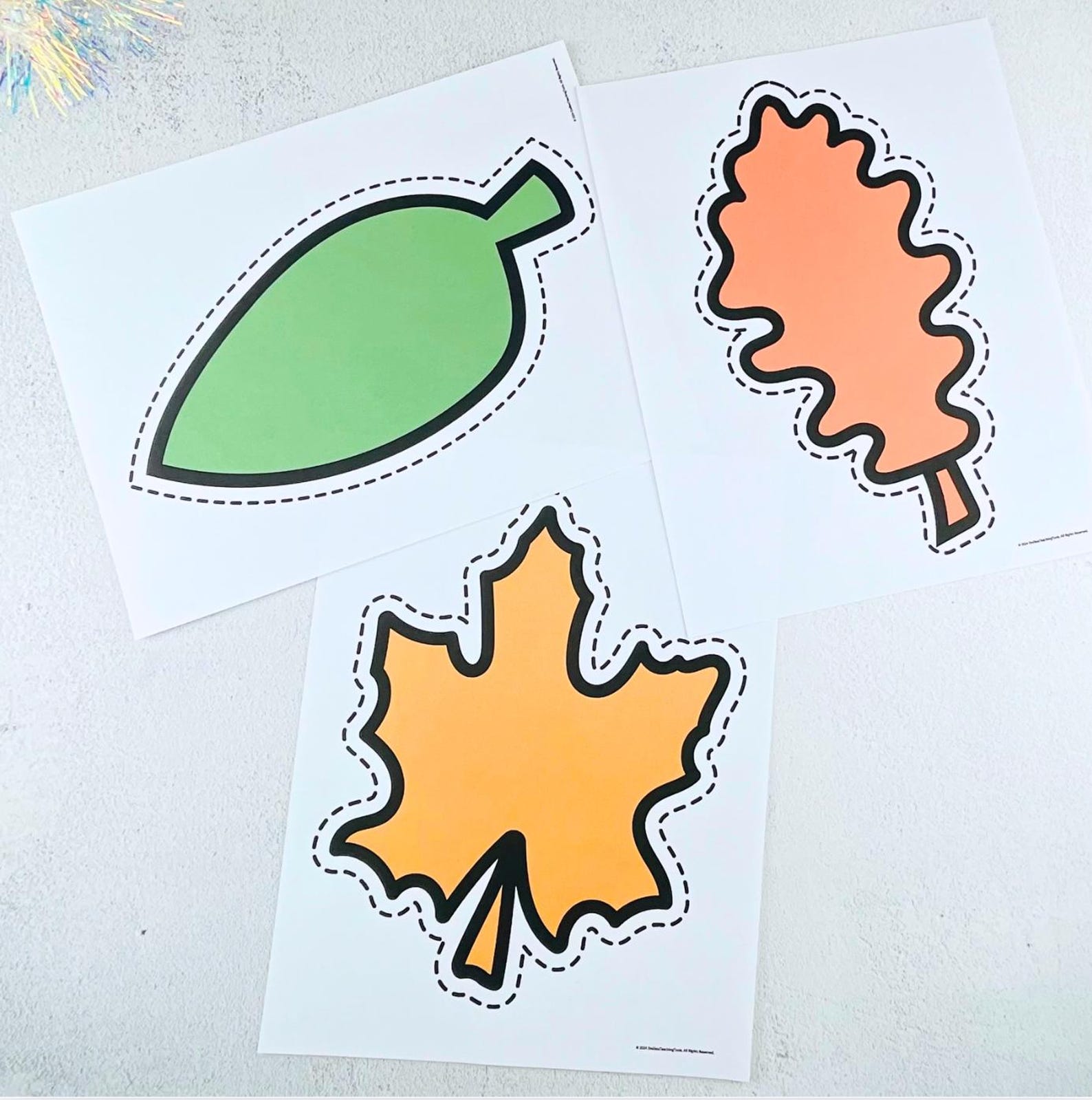
Fall Leaf Cutouts Printable Templates for Crafts & Decor (PDF Download
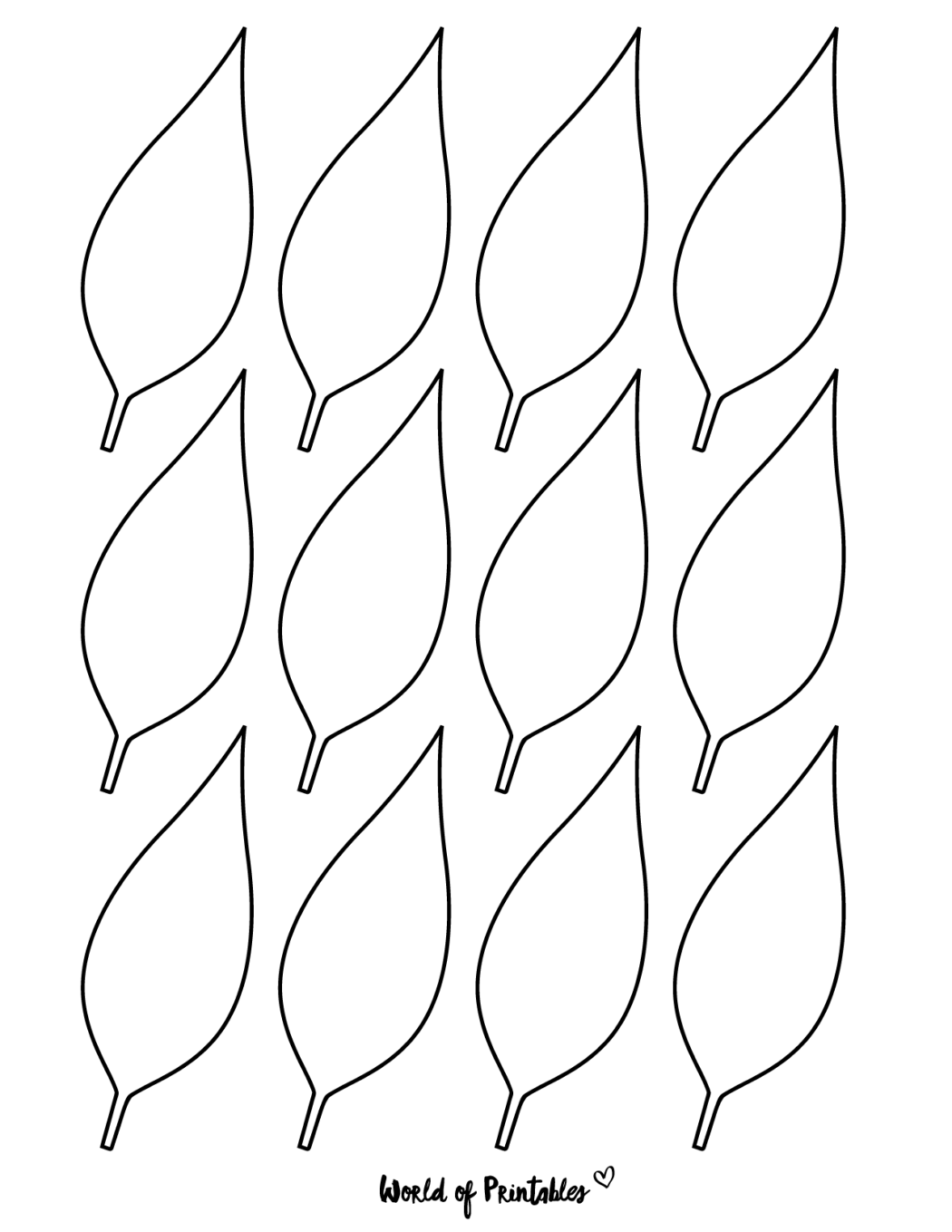
Leaf Stencil Printable
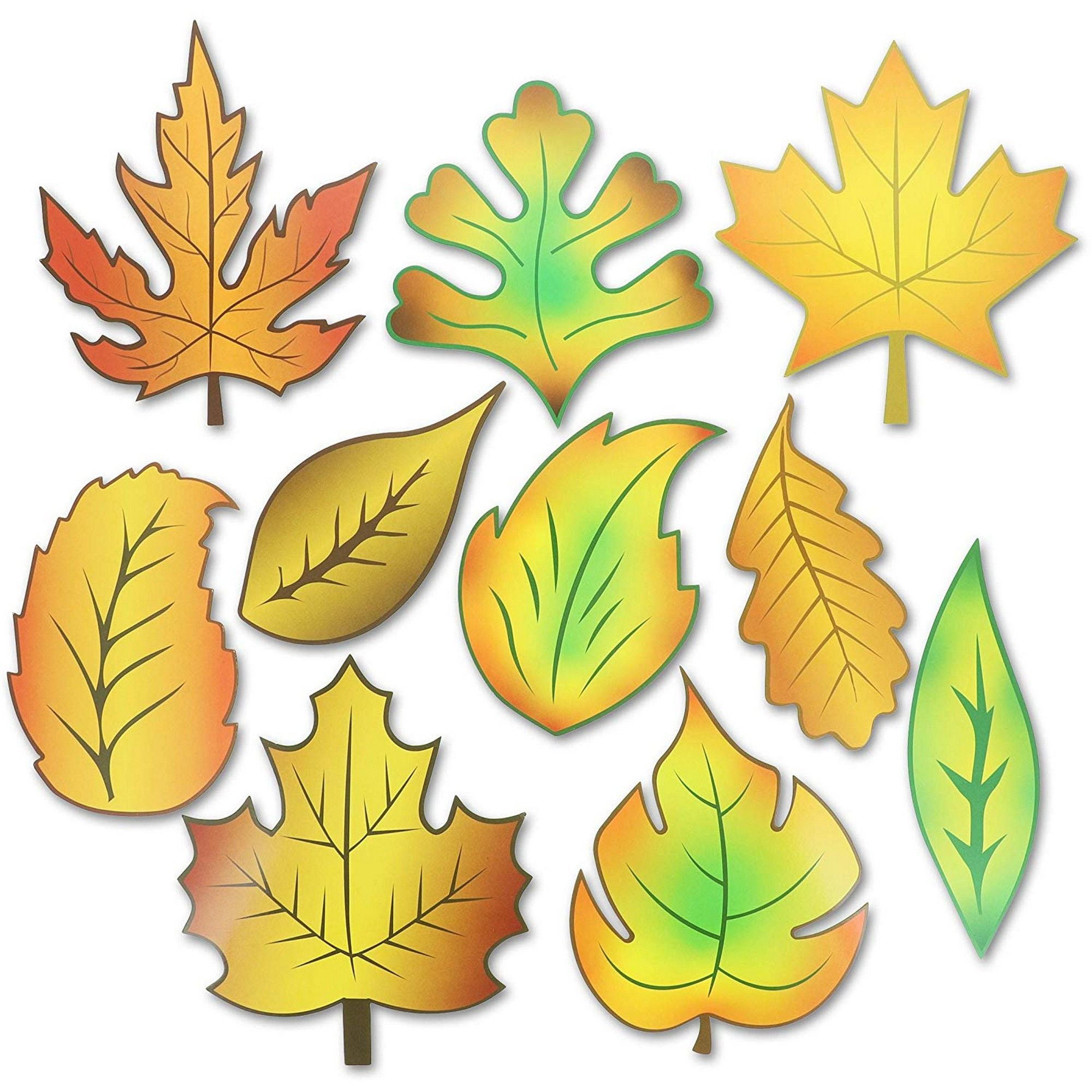
Fall Cutouts Printable Printable Leaves
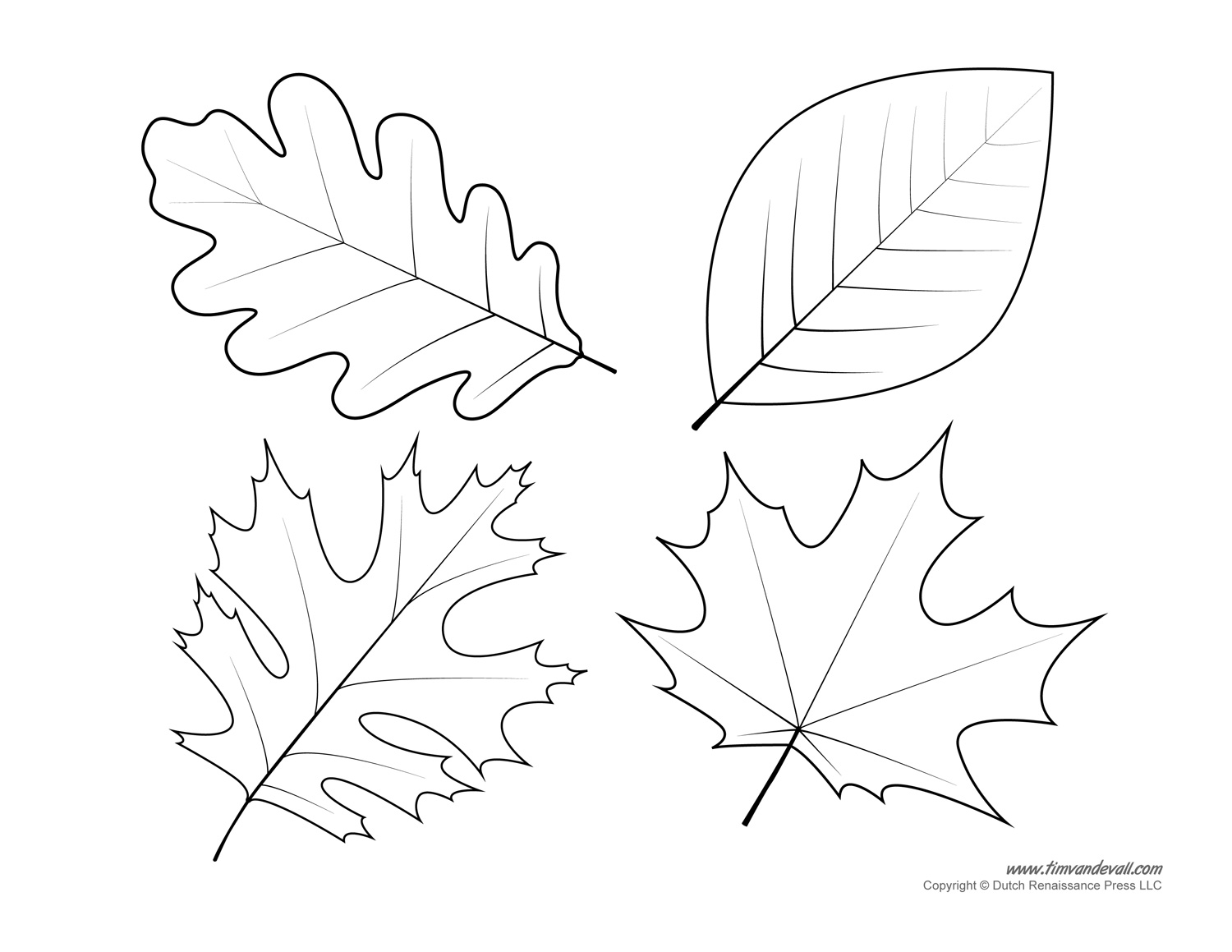
Leaf Templates & Leaf Coloring Pages for Kids Leaf Printables Tim's
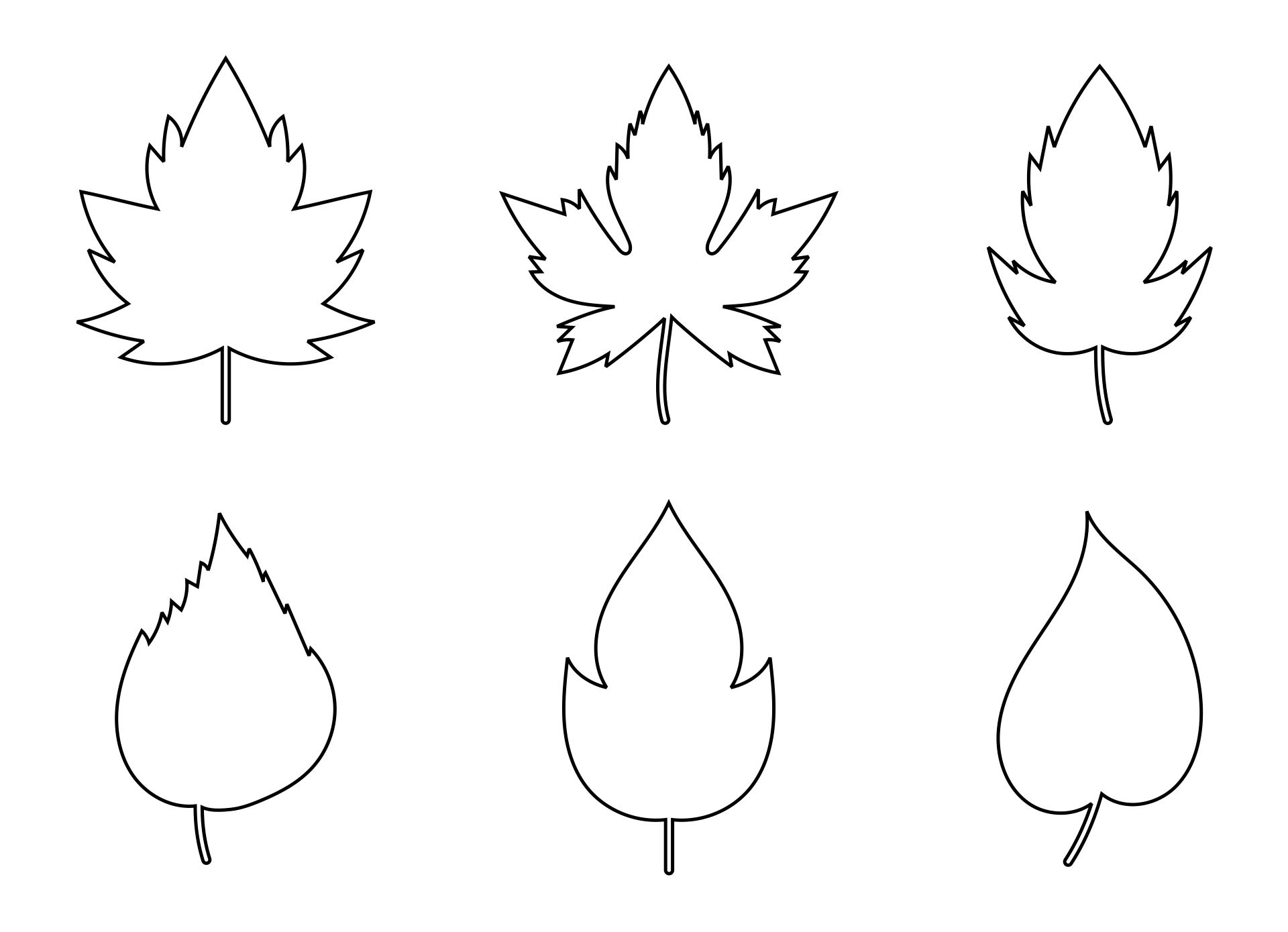
Printable Paper Leaves Template Printable Leaves
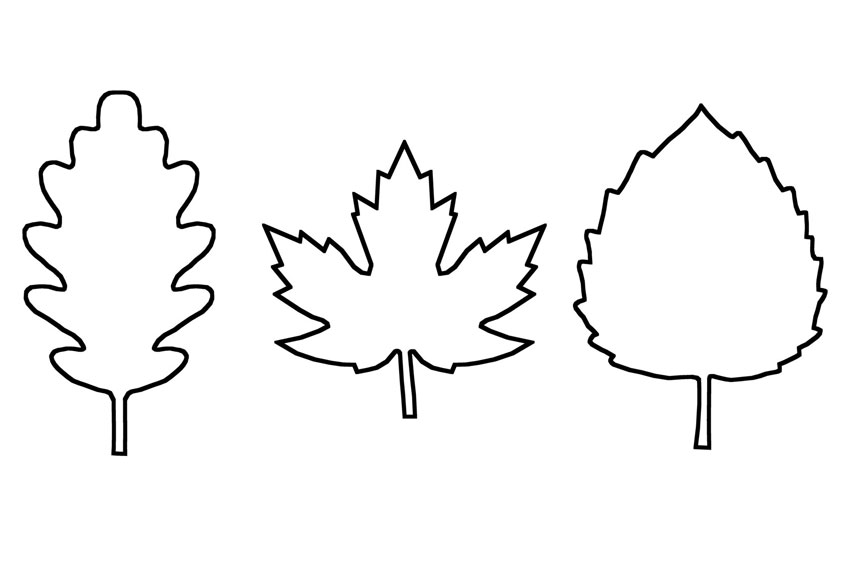
Leaf Template Free Printable Leaf Outlines One Little Project

37 Printable Leaf Templates, Outlines & Shapes (Free) World of

Free leaf templates outlines tons of printables Artofit
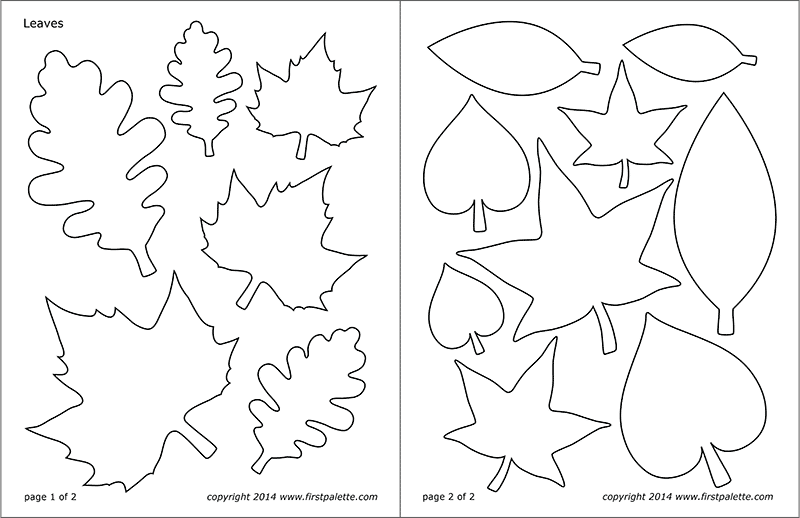
Leaf Templates Free Printable Templates & Coloring Pages

Leaf Template Printable Pdf Jenny Printable

Printable Leaves Template Printable Free Templates

Printable Leaf Template Best Templates Resources
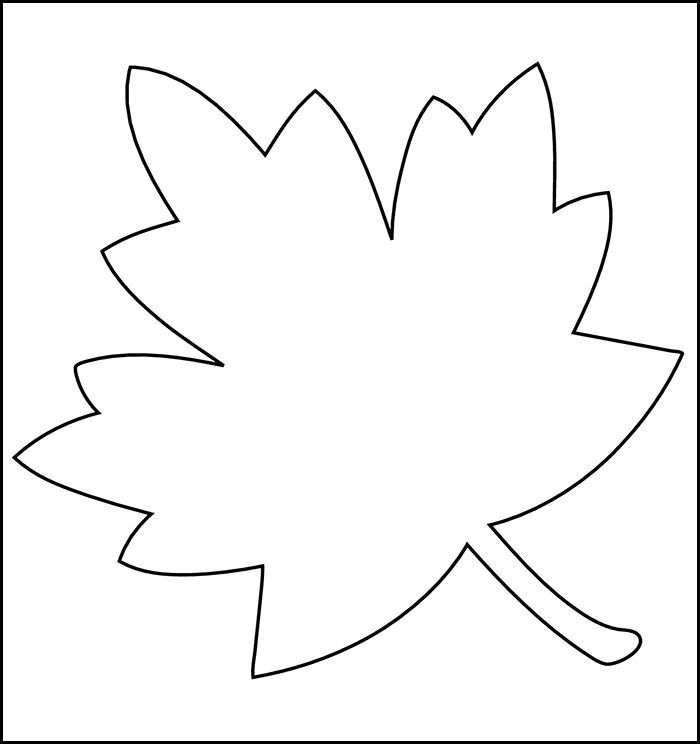
Large Printable Leaf Template

Printable Picture Of A Leaf Educational Printable Worksheets
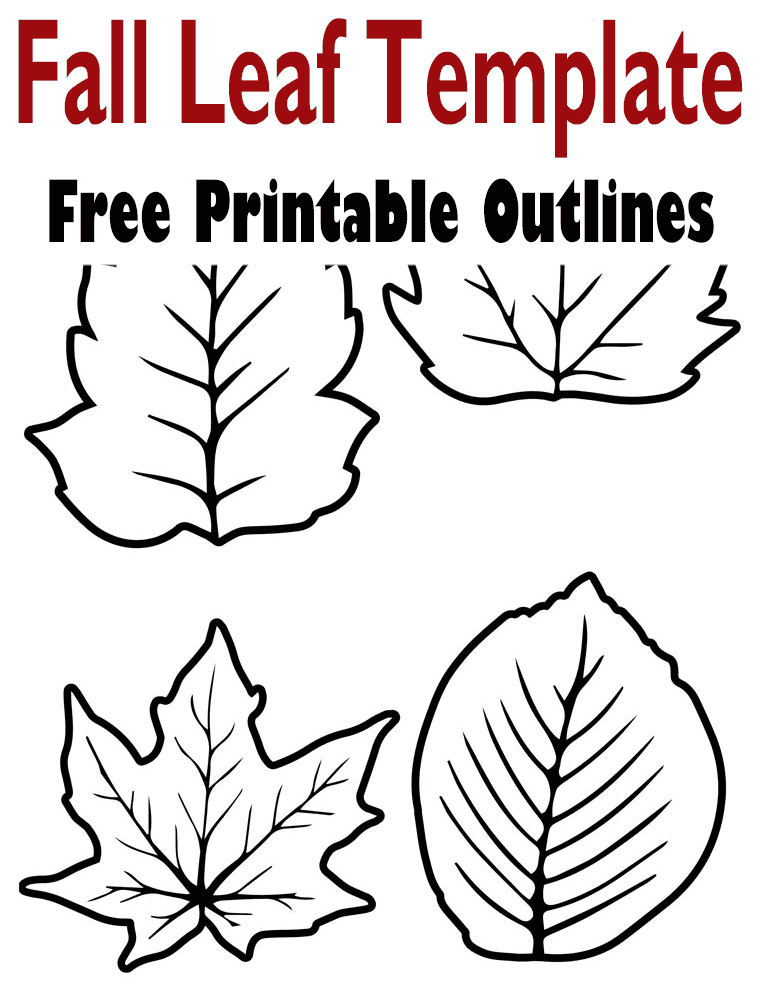
Autumn Leaf Template Free Printable Leaf Template Bundle For Fall
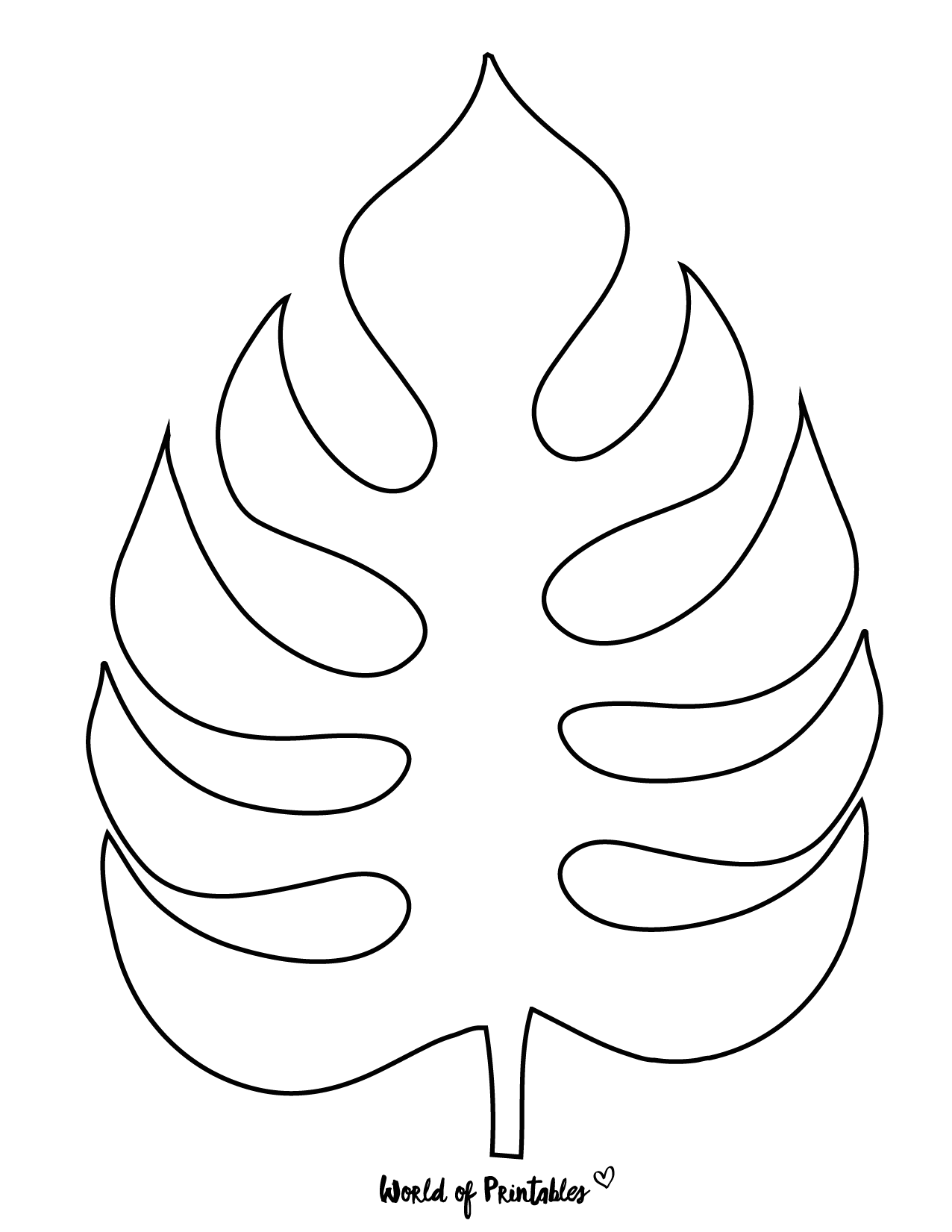
Free Printable Leaf Template Easy Fall Crafts Printables for Everyone
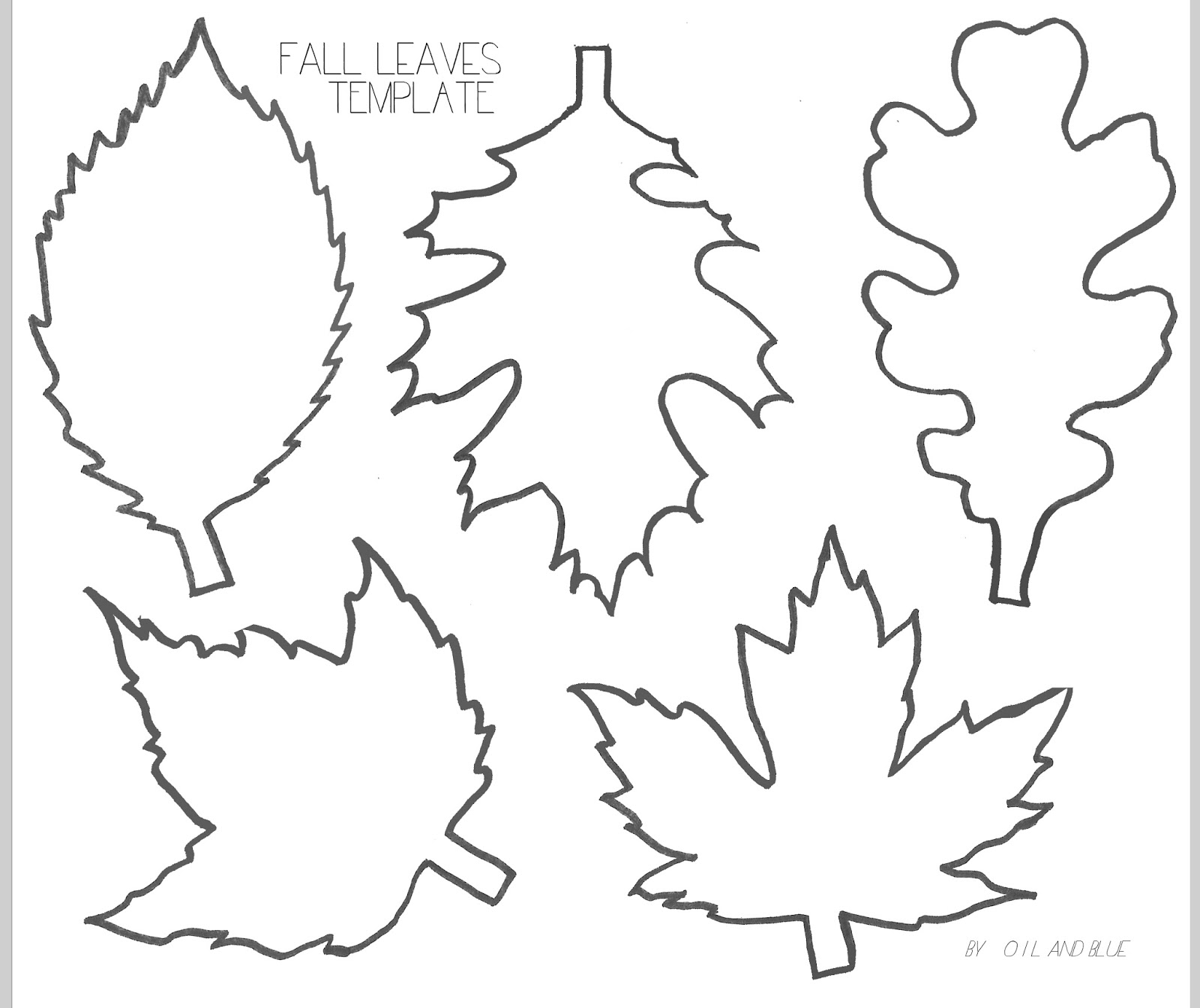
Printable Leaf Cutouts

Leaf Template Printable ( Small, Medium & Large) This Tiny Blue House
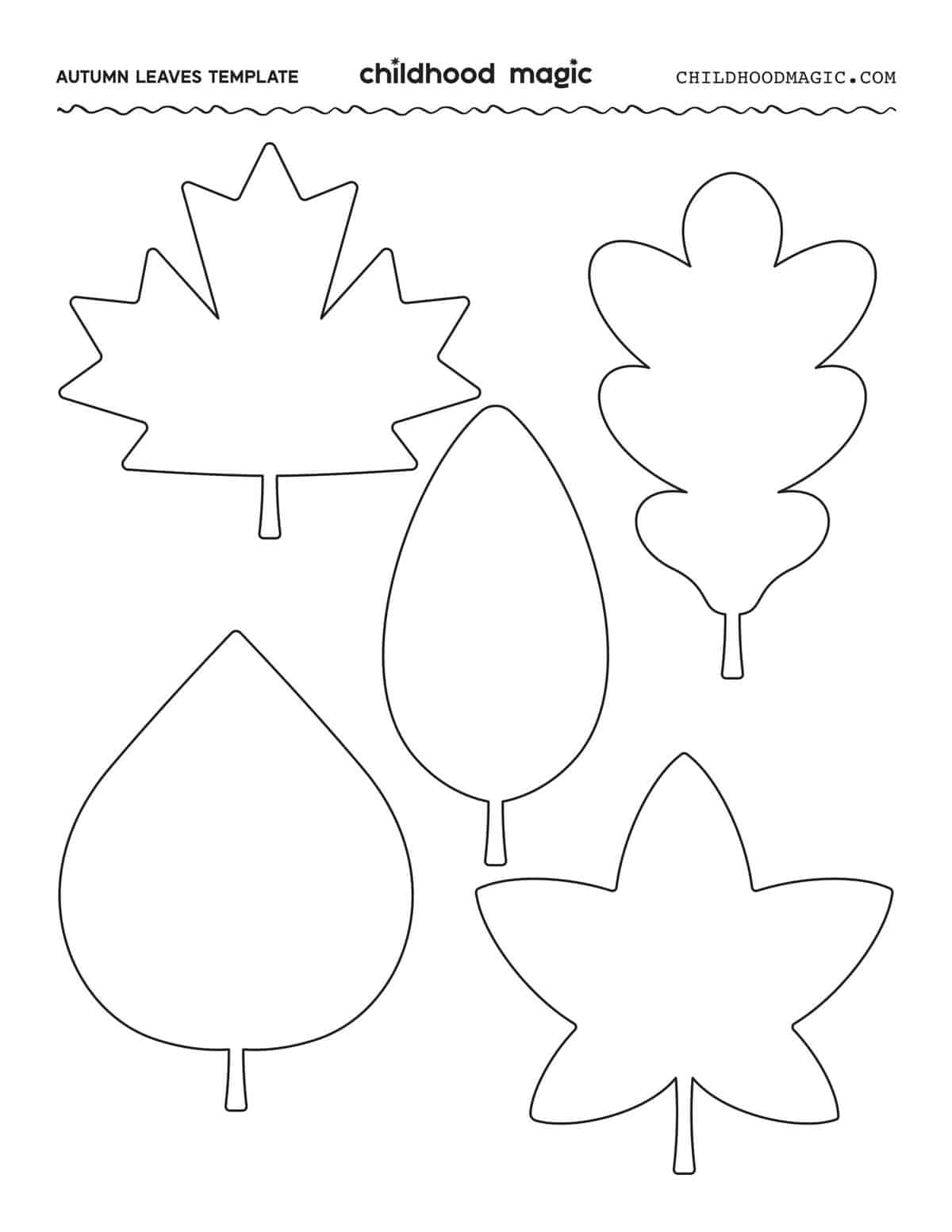
Leaf Template Printable Pdf Jenny Printable

Coloured Leaf Template Printable

Leaf Template Printable Free

Leaf Pattern Template 15 Free PDF Printables Printablee

Printable Leaf Template Printable Board Games

Fall Leaf Template Free Printable
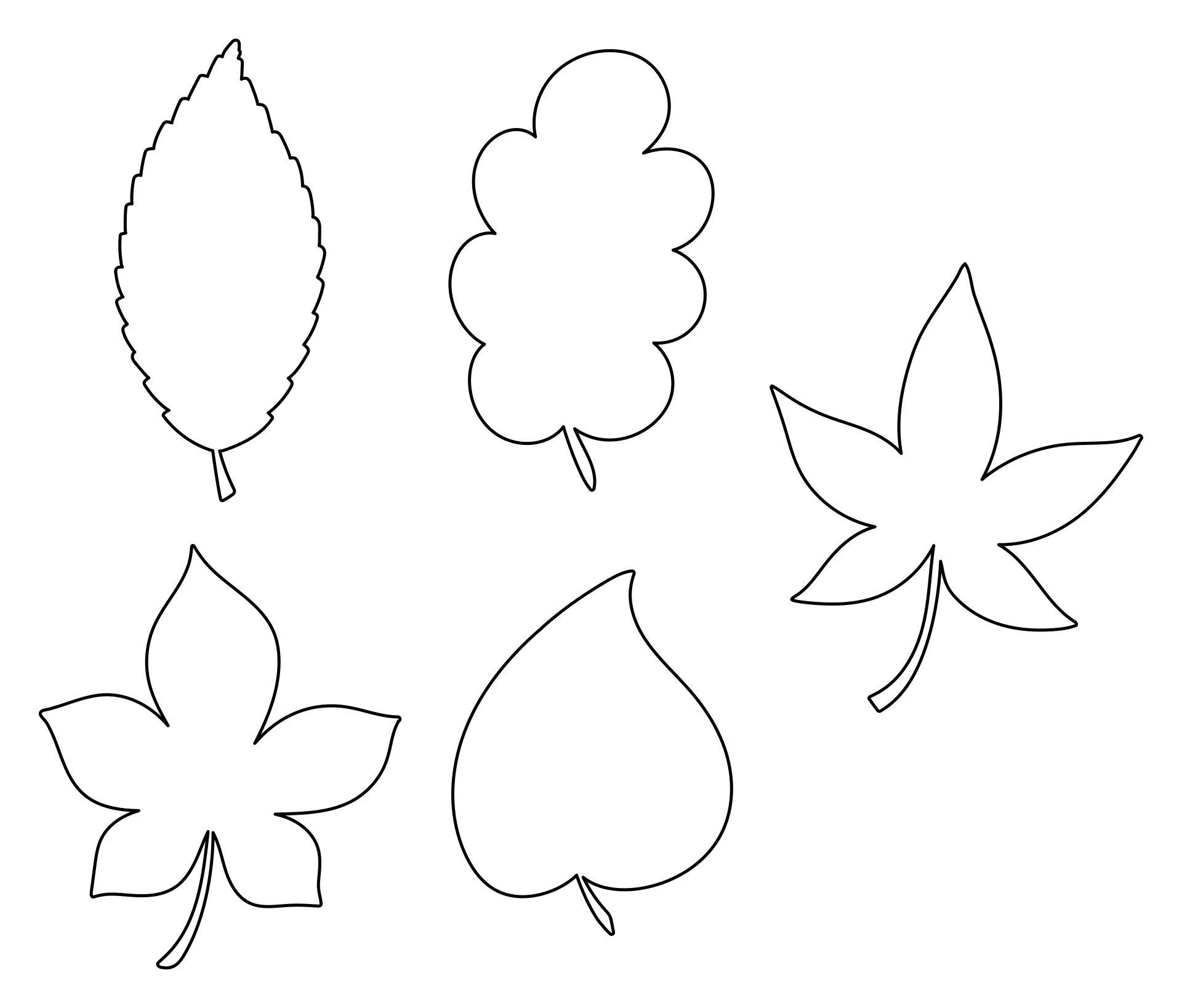
Fall Leaf Cutouts Printable
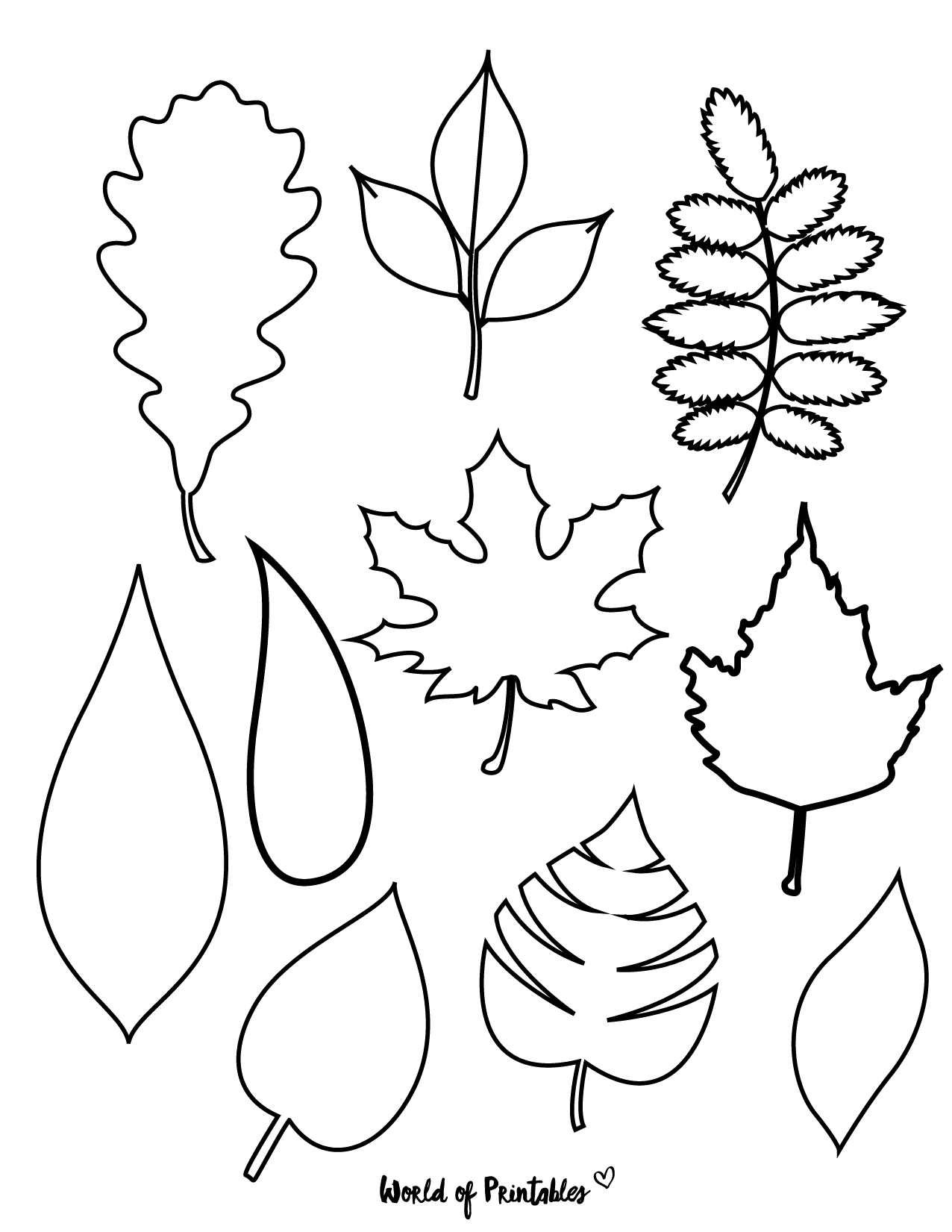
leaf template free printable leaf outlines one little project leaf
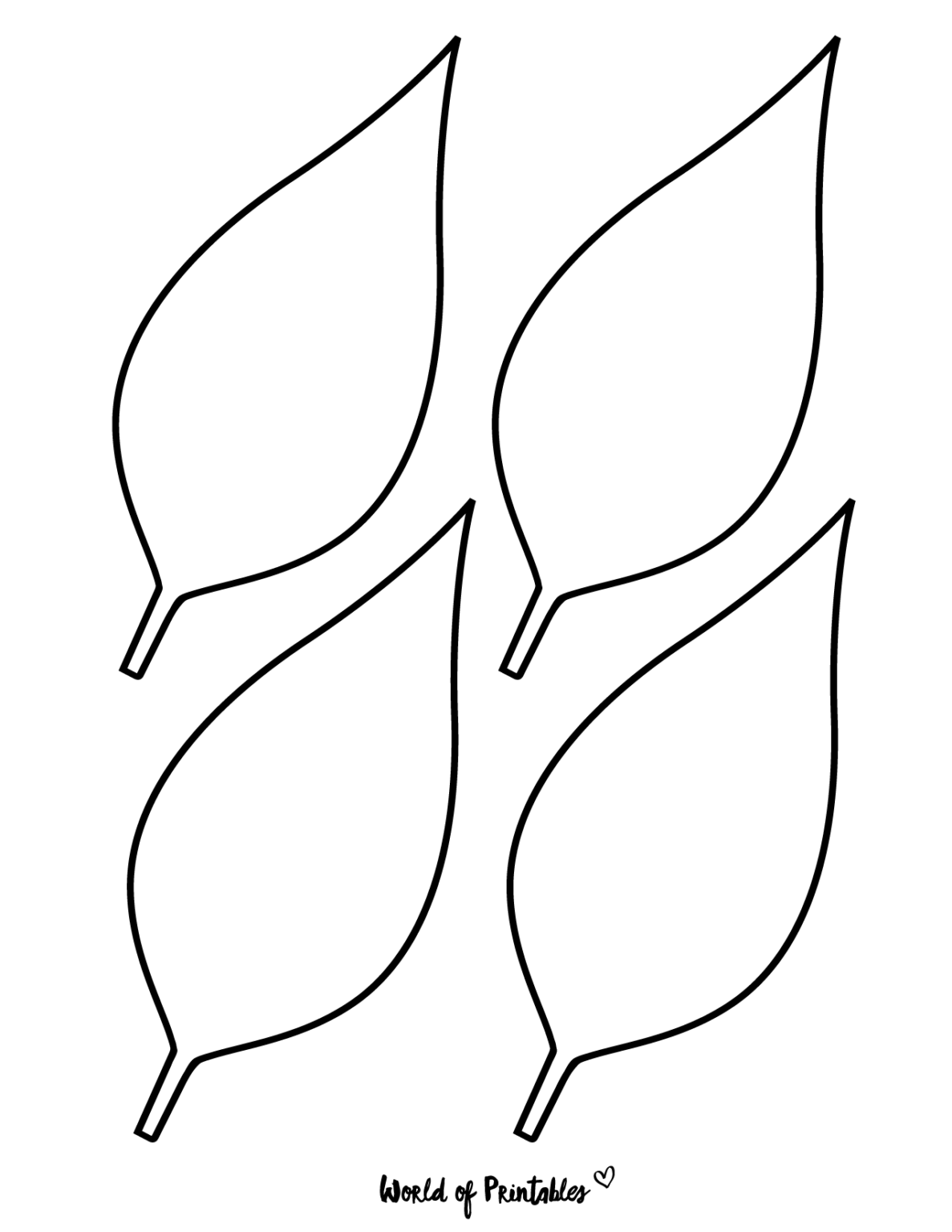
37 Printable Leaf Templates, Outlines & Shapes (Free) World of Printables

Autumn Leaf Printable Cutouts Printable Sight Words List
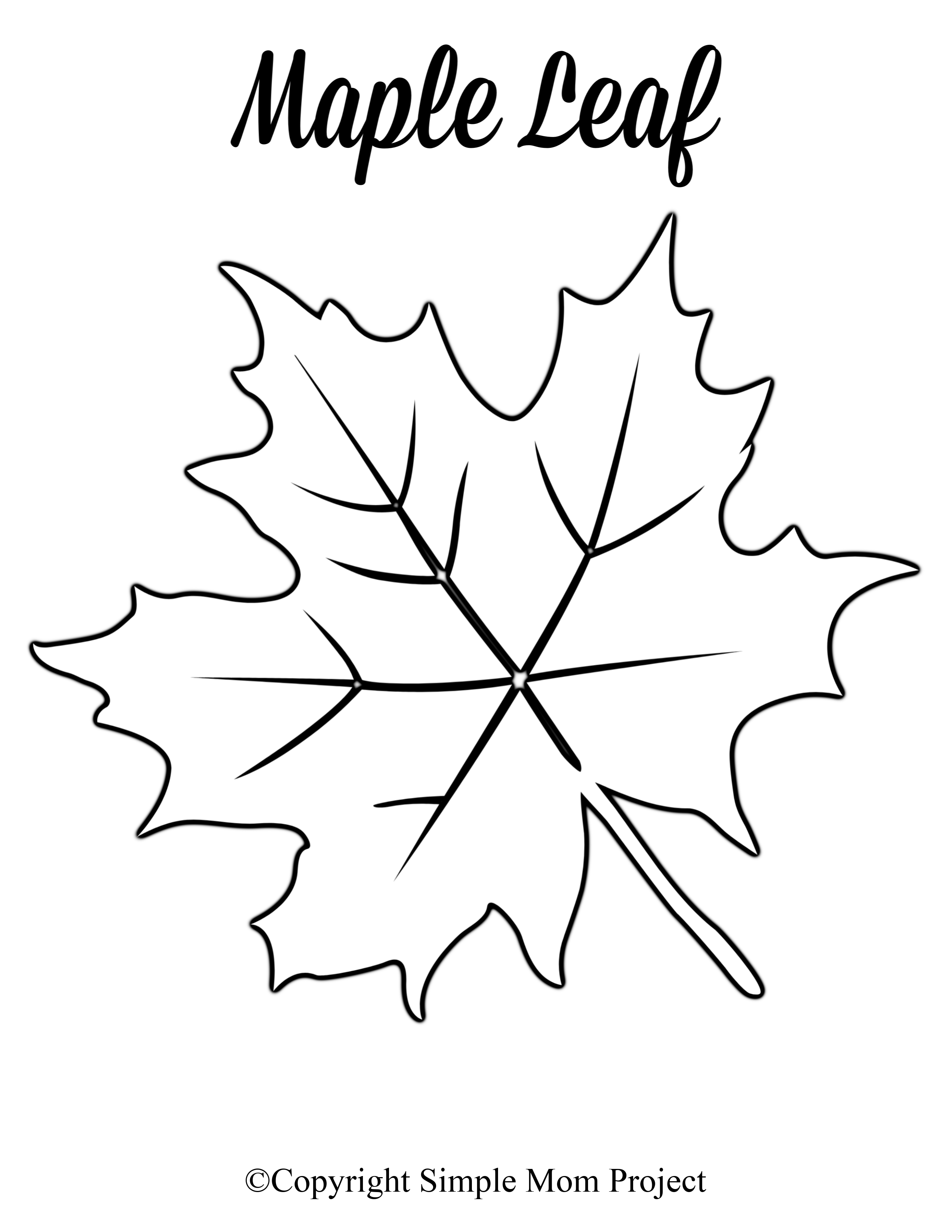
Printable Autumn Leaf Templates Printable Free Templates
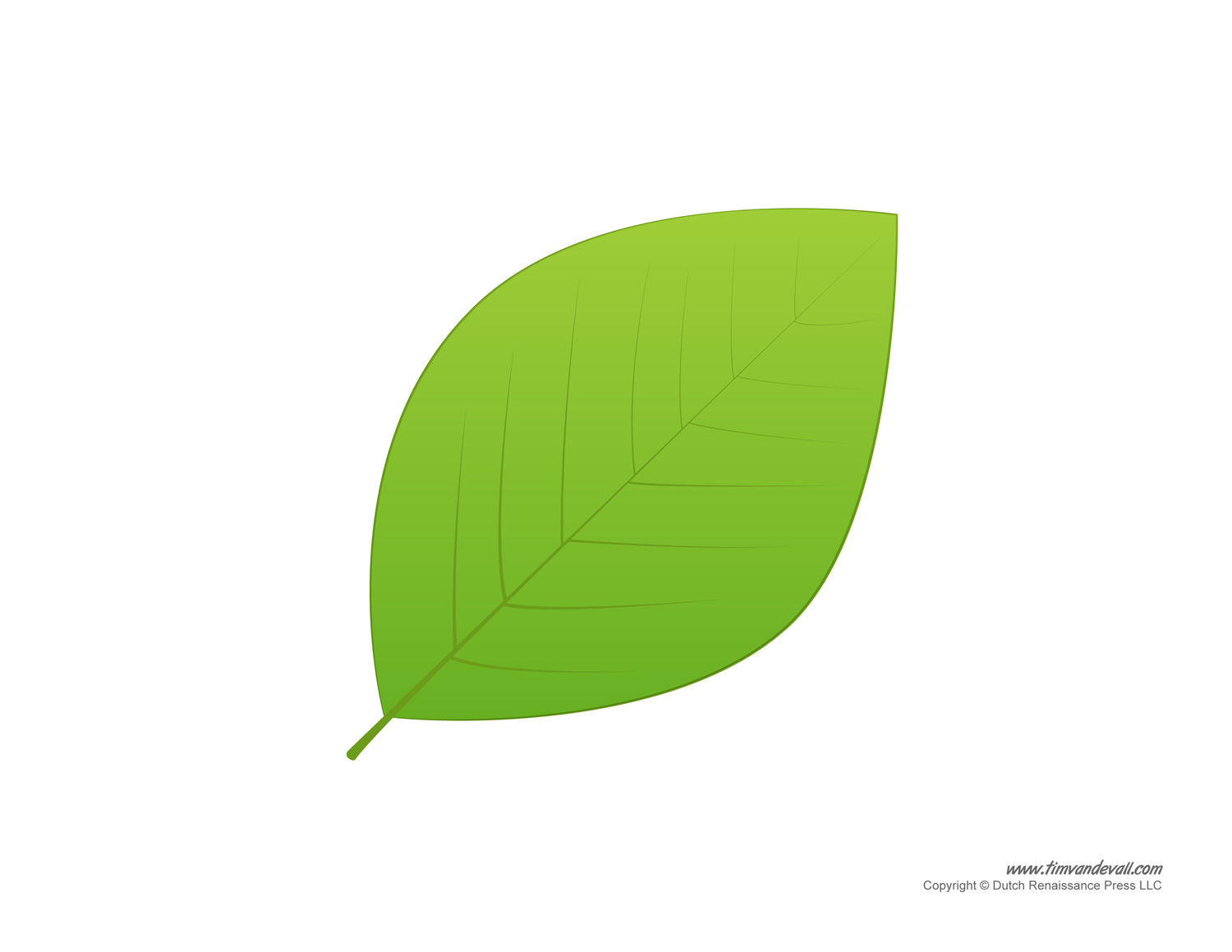
Printable Green Leaf Template
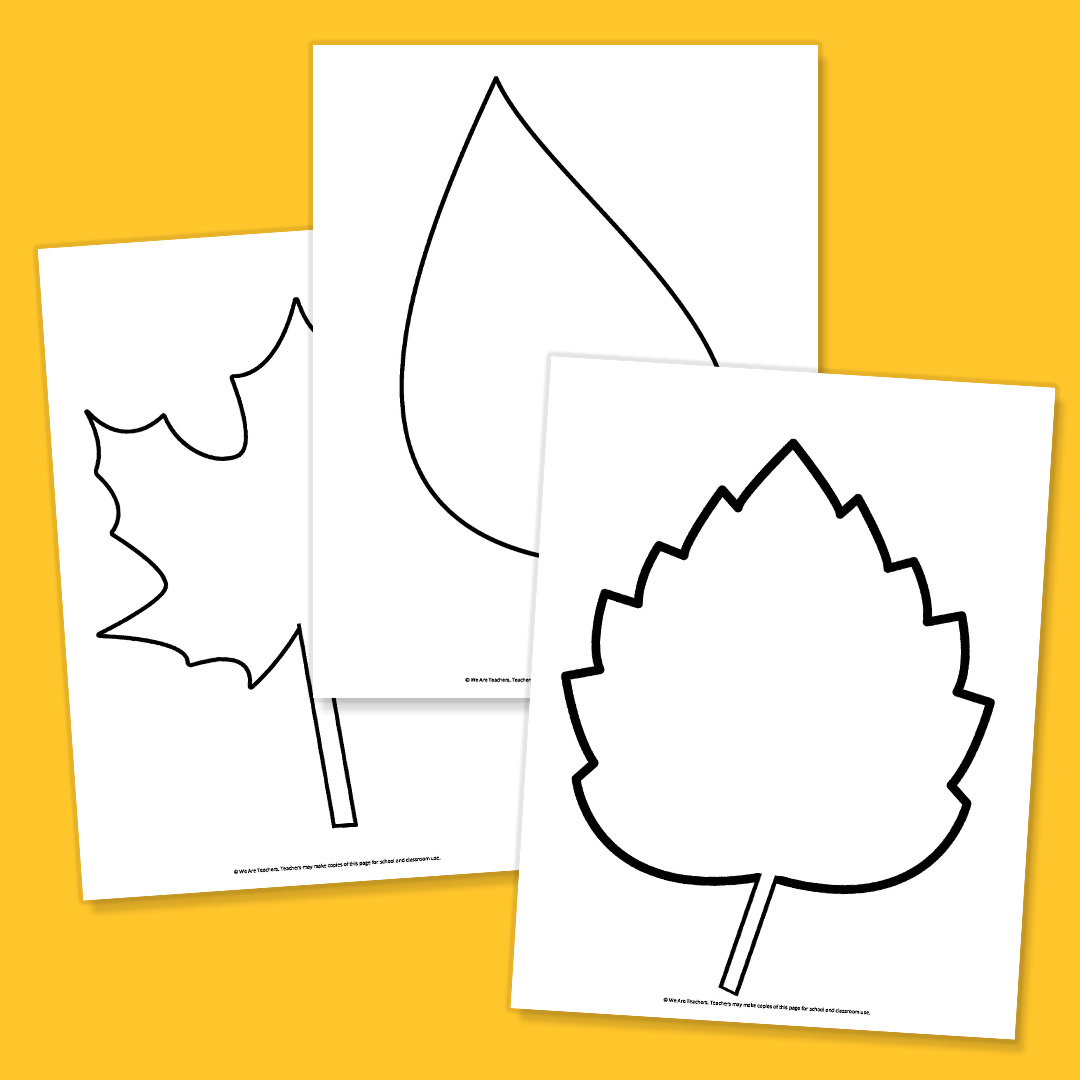
Free Printable Leaf Template Bundle for Fall

Cut Out Printable Leaf Template Modern Resume Template Word
Leaf Template Printable Kathlyn Jone S English Worksheets Printable
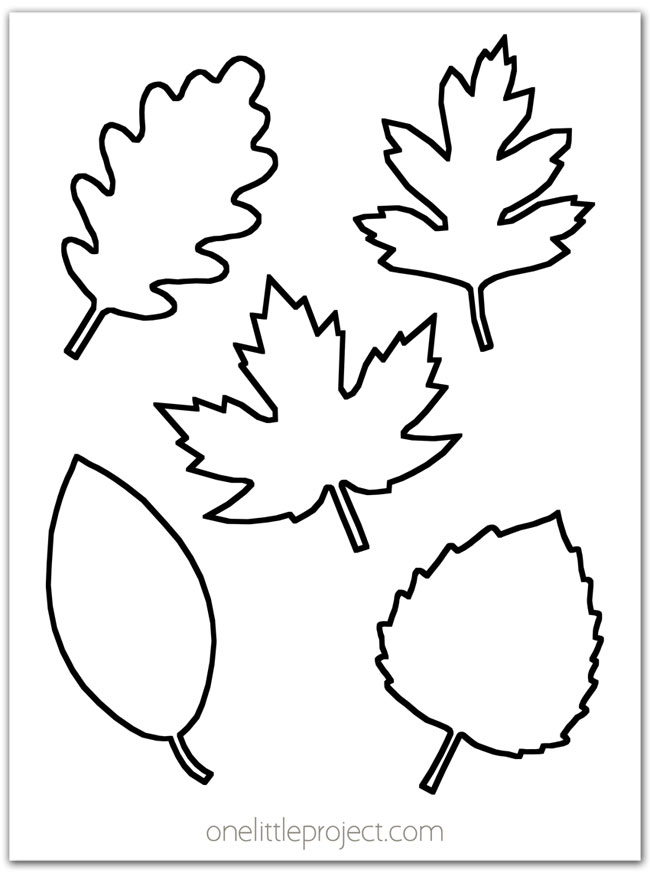
Leaf Template Free Printable Leaf Outlines One Little Project
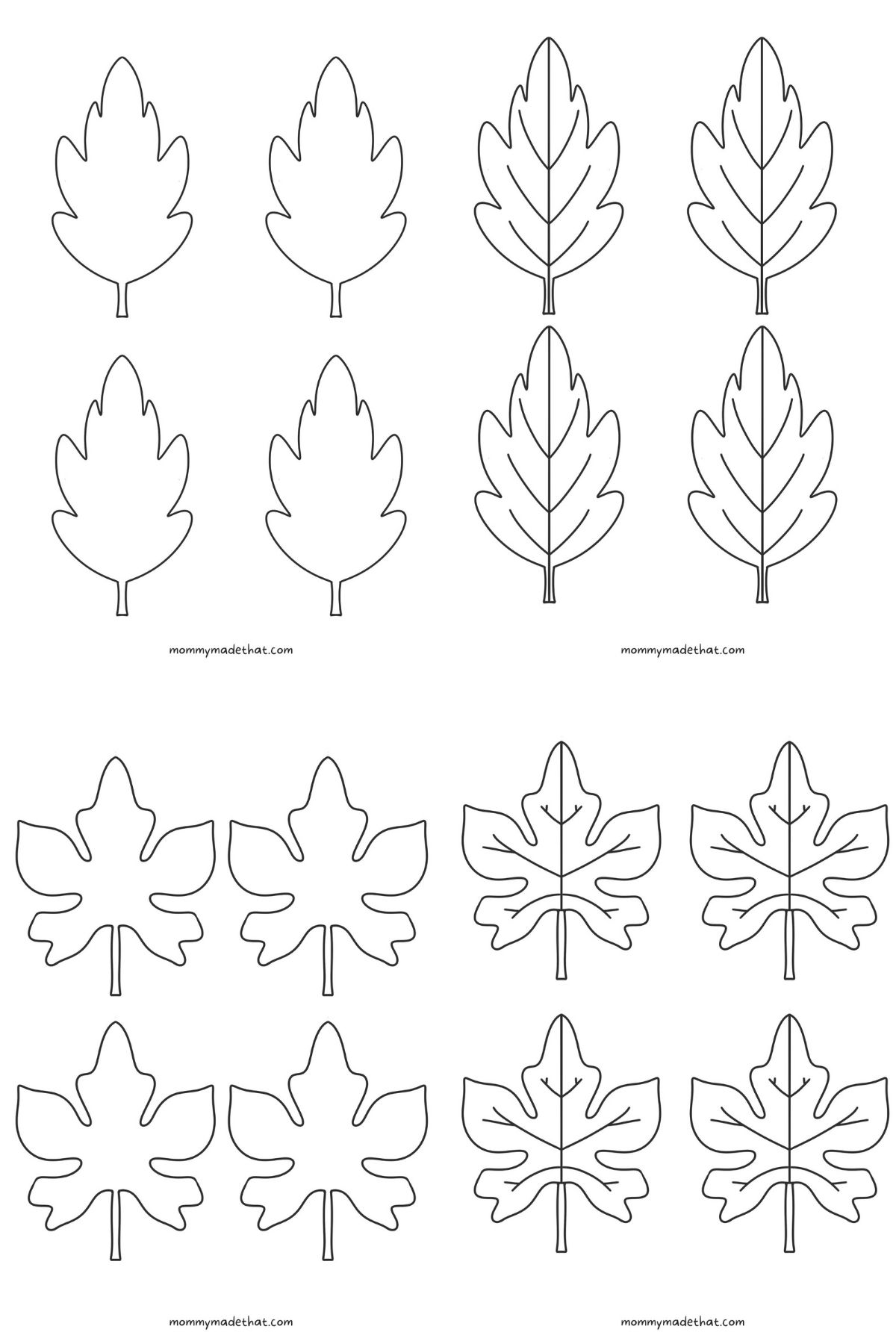
leaf template free printable leaf outlines one little project leaf
Learning Leaves Names Is Helpful For Understanding Trees, Herbs, And Edible Plants.
As The Primary Sites Of Photosynthesis, Leaves Manufacture Food For Plants, Which In Turn Ultimately.
The Meaning Of Leaf Is A Lateral Outgrowth From A Plant Stem That Is Typically A Flattened Expanded Variably Shaped Greenish Organ, Constitutes A Unit Of The Foliage, And Functions Primarily In.
Related Post: